Buy autoplin.eu ?
We are moving the project
autoplin.eu .
Are you interested in purchasing the domain
autoplin.eu ?
domain@kv-gmbh.de · 0541-91531010
Buy autoplin.eu ?
Who can connect an oil stove with central oil supply?
A licensed and experienced plumber or HVAC technician is typically responsible for connecting an oil stove with a central oil supply. These professionals have the necessary skills and knowledge to safely and correctly install the necessary piping and connections to ensure the oil stove functions properly. It is important to hire a qualified professional to perform this task to prevent any potential safety hazards or issues with the oil stove in the future. **
Why does the oil heater not work after refueling with oil?
The oil heater may not work after refueling with oil because there could be air trapped in the fuel line, preventing the oil from reaching the burner. This can happen if the fuel line is not properly bled after refueling. Additionally, if the oil filter is clogged or the burner nozzle is dirty, it can also prevent the heater from working properly. It's important to ensure that the fuel line is properly bled and that the oil filter and burner nozzle are clean after refueling to ensure the heater works effectively. **


Similar search terms for Connect-31779-Oil-sump
Top-Angebote
Products related to Connect-31779-Oil-sump:
-
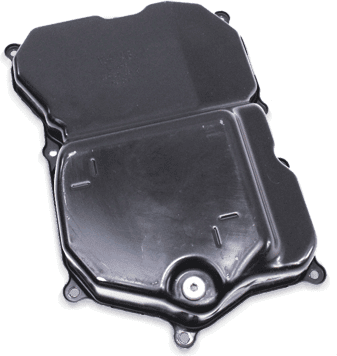
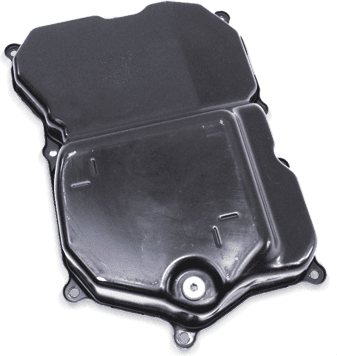
KRAFT 1320018 Oil sumpProduction Number: 1320018; Material: Aluminium; Supplementary Article / Supplementary Info Info 2: without bore for oil level sensor; Engine Code: ANU, AKL, APF, AEH, AUR, AYQ, ALH, AGR, AEG, BER, BEJ, APK, AZG, AVH, AZH, AQY, ASV, AZJ, AVU, BFQ, AZL, AXR, ATD, BSW; Vehicle Identification Number (VIN) to: 1C-3-499 000, 9C-3-699 000; Construction Year from: 01/2000; Vehicle Identification Number (VIN) from: 6K-Y-502 795, 6Y-4-097 86436,49 £*Shipping: 8,45 £Secure redirect to the provider


-
With what volume of motor oil were the air-cooled Porsche 911s with dry sump lubrication equipped compared to the water-cooled variants?
The air-cooled Porsche 911s with dry sump lubrication were equipped with a larger volume of motor oil compared to the water-cooled variants. The air-cooled models typically had a total oil capacity of around 10-12 quarts, while the water-cooled versions had a smaller oil capacity of around 8-9 quarts. This larger oil capacity in the air-cooled models helped to ensure better cooling and lubrication for the engine, especially during high-performance driving. **
-
Why is dry sump lubrication advantageous for lowered cars, as the lowest point does not have an oil pan and it can be easily damaged?
Dry sump lubrication is advantageous for lowered cars because it eliminates the need for an oil pan, which is typically the lowest point of the engine and susceptible to damage from speed bumps, potholes, or other road hazards. By removing the oil pan, the risk of it being damaged is significantly reduced, allowing lowered cars to navigate uneven roads without worrying about oil pan damage. Additionally, dry sump systems provide better oil control and lubrication efficiency, which can be beneficial for high-performance engines often found in lowered cars. **
-
Why does the oil heater smell after refueling?
The oil heater may smell after refueling because of spilled or leaked oil during the refueling process. When oil spills onto the heater or its components, it can create a strong odor when the heater is turned on and the oil begins to heat up. Additionally, if the heater has not been used for a while, dust and debris may have accumulated on the heating elements, which can also produce a burning smell when the heater is turned on. It is important to clean up any spilled oil and ensure the heater is properly maintained to prevent these odors. **
-
How can I return heating oil after the conversion?
To return heating oil after a conversion, you should contact the company that performed the conversion and inquire about their return policy. They may be able to assist you in safely disposing of the remaining oil or provide guidance on how to properly return it. Additionally, you can reach out to local waste management or recycling centers for information on how to dispose of the oil in an environmentally friendly manner. It is important to follow proper procedures to ensure the safe and responsible disposal of the oil. **
How do I connect a wood-burning stove to an oil chimney?
To connect a wood-burning stove to an oil chimney, you will need to install a stainless steel chimney liner that is suitable for use with both wood and oil. The liner should be properly sized to fit the stove and the chimney, and it should be insulated to prevent heat transfer to the surrounding walls. It is important to follow the manufacturer's instructions for installation and to ensure that the chimney is cleaned and inspected regularly to prevent any buildup of creosote or other debris. Additionally, it is recommended to consult with a professional chimney installer to ensure that the installation is done safely and correctly. **
What are the advantages and disadvantages of refueling with heating oil?
The advantages of refueling with heating oil include its high energy content, which makes it an efficient fuel for heating homes and businesses. It is also readily available and can be easily stored for long periods of time without degrading. Additionally, modern heating oil is cleaner burning than in the past, resulting in lower emissions. However, there are also disadvantages to refueling with heating oil. One major drawback is its environmental impact, as burning heating oil releases carbon dioxide and other pollutants into the atmosphere. Additionally, the price of heating oil can be volatile, making it difficult for consumers to budget for their heating costs. Finally, there is the potential for spills or leaks when handling and storing heating oil, which can have negative impacts on the environment and human health. **
Top-Angebote
Products related to Connect-31779-Oil-sump:
-
Who can connect an oil stove with central oil supply?
A licensed and experienced plumber or HVAC technician is typically responsible for connecting an oil stove with a central oil supply. These professionals have the necessary skills and knowledge to safely and correctly install the necessary piping and connections to ensure the oil stove functions properly. It is important to hire a qualified professional to perform this task to prevent any potential safety hazards or issues with the oil stove in the future. **
-
Why does the oil heater not work after refueling with oil?
The oil heater may not work after refueling with oil because there could be air trapped in the fuel line, preventing the oil from reaching the burner. This can happen if the fuel line is not properly bled after refueling. Additionally, if the oil filter is clogged or the burner nozzle is dirty, it can also prevent the heater from working properly. It's important to ensure that the fuel line is properly bled and that the oil filter and burner nozzle are clean after refueling to ensure the heater works effectively. **
-
With what volume of motor oil were the air-cooled Porsche 911s with dry sump lubrication equipped compared to the water-cooled variants?
The air-cooled Porsche 911s with dry sump lubrication were equipped with a larger volume of motor oil compared to the water-cooled variants. The air-cooled models typically had a total oil capacity of around 10-12 quarts, while the water-cooled versions had a smaller oil capacity of around 8-9 quarts. This larger oil capacity in the air-cooled models helped to ensure better cooling and lubrication for the engine, especially during high-performance driving. **
-
Why is dry sump lubrication advantageous for lowered cars, as the lowest point does not have an oil pan and it can be easily damaged?
Dry sump lubrication is advantageous for lowered cars because it eliminates the need for an oil pan, which is typically the lowest point of the engine and susceptible to damage from speed bumps, potholes, or other road hazards. By removing the oil pan, the risk of it being damaged is significantly reduced, allowing lowered cars to navigate uneven roads without worrying about oil pan damage. Additionally, dry sump systems provide better oil control and lubrication efficiency, which can be beneficial for high-performance engines often found in lowered cars. **
Similar search terms for Connect-31779-Oil-sump
-
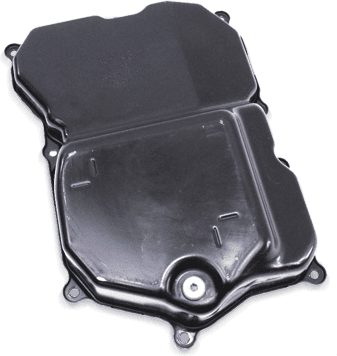
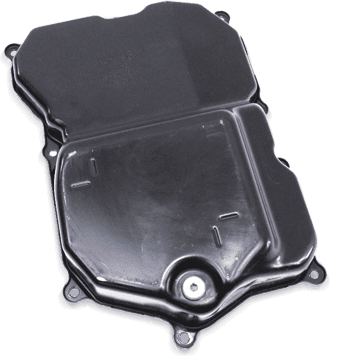
KRAFT 1320018 Oil sumpProduction Number: 1320018; Material: Aluminium; Supplementary Article / Supplementary Info Info 2: without bore for oil level sensor; Engine Code: ANU, AKL, APF, AEH, AUR, AYQ, ALH, AGR, AEG, BER, BEJ, APK, AZG, AVH, AZH, AQY, ASV, AZJ, AVU, BFQ, AZL, AXR, ATD, BSW; Vehicle Identification Number (VIN) to: 1C-3-499 000, 9C-3-699 000; Construction Year from: 01/2000; Vehicle Identification Number (VIN) from: 6K-Y-502 795, 6Y-4-097 86436,49 £*Shipping: 8,45 £Secure redirect to the provider
-
Why does the oil heater smell after refueling?
The oil heater may smell after refueling because of spilled or leaked oil during the refueling process. When oil spills onto the heater or its components, it can create a strong odor when the heater is turned on and the oil begins to heat up. Additionally, if the heater has not been used for a while, dust and debris may have accumulated on the heating elements, which can also produce a burning smell when the heater is turned on. It is important to clean up any spilled oil and ensure the heater is properly maintained to prevent these odors. **
-
How can I return heating oil after the conversion?
To return heating oil after a conversion, you should contact the company that performed the conversion and inquire about their return policy. They may be able to assist you in safely disposing of the remaining oil or provide guidance on how to properly return it. Additionally, you can reach out to local waste management or recycling centers for information on how to dispose of the oil in an environmentally friendly manner. It is important to follow proper procedures to ensure the safe and responsible disposal of the oil. **
-
How do I connect a wood-burning stove to an oil chimney?
To connect a wood-burning stove to an oil chimney, you will need to install a stainless steel chimney liner that is suitable for use with both wood and oil. The liner should be properly sized to fit the stove and the chimney, and it should be insulated to prevent heat transfer to the surrounding walls. It is important to follow the manufacturer's instructions for installation and to ensure that the chimney is cleaned and inspected regularly to prevent any buildup of creosote or other debris. Additionally, it is recommended to consult with a professional chimney installer to ensure that the installation is done safely and correctly. **
-
What are the advantages and disadvantages of refueling with heating oil?
The advantages of refueling with heating oil include its high energy content, which makes it an efficient fuel for heating homes and businesses. It is also readily available and can be easily stored for long periods of time without degrading. Additionally, modern heating oil is cleaner burning than in the past, resulting in lower emissions. However, there are also disadvantages to refueling with heating oil. One major drawback is its environmental impact, as burning heating oil releases carbon dioxide and other pollutants into the atmosphere. Additionally, the price of heating oil can be volatile, making it difficult for consumers to budget for their heating costs. Finally, there is the potential for spills or leaks when handling and storing heating oil, which can have negative impacts on the environment and human health. **
* All prices are inclusive of VAT and, if applicable, plus shipping costs. The offer information is based on the details provided by the respective shop and is updated through automated processes. Real-time updates do not occur, so deviations can occur in individual cases. ** Note: Parts of this content were created by AI.