Buy autoplin.eu ?
We are moving the project
autoplin.eu .
Are you interested in purchasing the domain
autoplin.eu ?
domain@kv-gmbh.de · 0541-91531010
Buy autoplin.eu ?
How are intravenous catheters disinfected?
Intravenous catheters are typically disinfected using alcohol-based solutions such as chlorhexidine or povidone-iodine. Before inserting the catheter, the healthcare provider will clean the insertion site with the disinfectant solution to reduce the risk of infection. It is important to follow proper disinfection protocols to maintain a sterile environment and prevent complications for the patient. **
How are intravenous cannulas disinfected?
Intravenous cannulas are disinfected by first washing hands thoroughly with soap and water. The cannula is then wiped with an alcohol swab to disinfect the external surface. Before insertion, the cannula is flushed with saline to ensure it is clear of any debris or contaminants. Healthcare professionals also follow strict aseptic techniques during the insertion process to prevent infections. **


Similar search terms for Intravenous
Top-Angebote
Products related to Intravenous:
-
Multisell Products Hub Easy Installation Brake Conversion Seat, High Strength Aluminum Alloy Extension goldUpgrade Your Driving with the High Strength Aluminum Alloy Brake Extension Experience enhanced 1 pair performance and durability with the Brake Extension High Strength Aluminum Alloy. This brake conversion seat is crafted with precision to provide a...39,97 $*Shipping: 0,00 $Secure redirect to the provider
-
Discount Dollar Deals Silver Automatic Center Punch Tool Time Saving, Precision Punch For Equipment Maintenance Installation Silver Automatic Center Punch Tool Time Saving, Precision Punch For Equipment Maintenance InstallationEffortlessly mark your drilling spots with the Silver Automatic Center Punch Tool. Ideal for onsite installations and equipment maintenance, this tool delivers precise, reliable performance with every use. Its automatic feature makes it the perfect...29,97 $*Shipping: 0,00 $Secure redirect to the provider
-
Friendly Fresh Finds Sanitary Wrench Installation Tool For Faucet & Pipe Maintenance Multi Functional Plumbing Solution yellowThe Sanitary Wrench Installation Tool is an essential companion for anyone looking to simplify their home plumbing maintenance. Perfect for homeowners, DIY enthusiasts, and professional plumbers, this tool provides an efficient, hasslefree solution...31,97 $*Shipping: 0,00 $Secure redirect to the provider
-
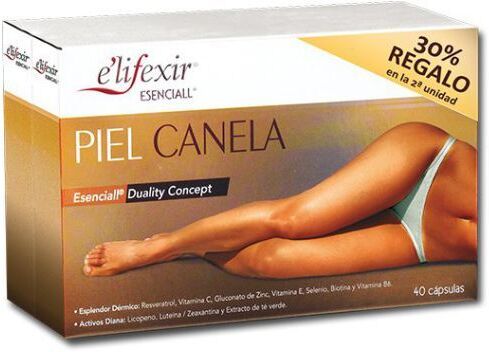
E'lifexir Essential Cinnamon Skin Savings PackageNutrition and Supplements Special supplements E'lifexir Essential Cinnamon Skin Savings Package Nutricosmetic sunscreen to protect skin and eyes. Nutritional complement that prepares the skin for exposure to the sun, promotes a more intense and long-lasting tan and strengthens the skin's defences. Provides antioxidant properties and protects the skin from UV radiation. Results: - Uniform and luminous tan - Eye protection - More elastic and protected skin How to use: Take one capsule a day.33,31 £*Shipping: 3,99 £Secure redirect to the provider


-
Can you run an intravenous infusion with tap water?
No, it is not safe to run an intravenous infusion with tap water. Tap water may contain impurities, bacteria, and other contaminants that can be harmful if introduced into the bloodstream. Using tap water for an intravenous infusion can lead to serious infections and other complications. It is important to use sterile, medical-grade fluids for intravenous infusions to ensure the safety and well-being of the patient. **
-
Can a paramedic insert intravenous access, and if so, which ones?
Yes, paramedics are trained to insert intravenous (IV) access. They are typically trained to insert peripheral IV lines, which are inserted into a vein in the arms, hands, or legs. In some cases, paramedics may also be trained to insert central venous catheters, which are inserted into larger veins in the neck, chest, or groin for more advanced access. The specific training and scope of practice for paramedics may vary by region and level of certification. **
-
Is it bad to have a bump after an intravenous injection?
It is not uncommon to have a bump or swelling at the injection site after receiving an intravenous injection. This can happen due to the needle piercing the skin and causing some trauma to the surrounding tissue. In most cases, the bump is temporary and will go away on its own. However, if the bump is painful, red, or continues to grow in size, it is important to seek medical attention as it could be a sign of infection or another complication. **
-
How do I as a school paramedic establish an intravenous access?
As a school paramedic, you can establish intravenous access by first assessing the patient's condition and determining the need for IV therapy. Once the need is identified, gather the necessary equipment such as IV catheters, IV tubing, and a sterile dressing. Choose an appropriate site for the IV access, typically the forearm or hand, and clean the area with an antiseptic solution. Use a tourniquet to engorge the veins and carefully insert the IV catheter into the vein at a 15-30 degree angle. Once the catheter is in place, secure it with a dressing and begin administering the necessary fluids or medications. Always monitor the IV site for any signs of complications and ensure the patient is comfortable throughout the process. **

How can emergency medications be administered as a bolus through a peripheral intravenous cannula?
Emergency medications can be administered as a bolus through a peripheral intravenous cannula by flushing the cannula with a small amount of normal saline before and after administering the medication to ensure proper delivery. The medication should be administered slowly to prevent complications such as phlebitis or infiltration. It is important to monitor the patient closely for any signs of adverse reactions during and after administration of the medication. Additionally, healthcare providers should follow institutional protocols and guidelines for administering emergency medications through a peripheral intravenous cannula. **
Which animal has the best food conversion efficiency?
The animal with the best food conversion efficiency is the broiler chicken. Broiler chickens are specifically bred for meat production and have been optimized to efficiently convert feed into muscle. They have a high feed conversion ratio, meaning they require less feed to produce a pound of meat compared to other animals. This makes them one of the most efficient animals for meat production. **
Top-Angebote
Products related to Intravenous:
-
Smart Shopping Spot Motorcycle Refueling Funnel With Filter Gasoline & Engine Oil Funnel For Car Repair & Maintenance Motorcycle Refueling Funnel With Filter Gasoline & Engine Oil Funnel For Car Repair & MaintenanceWhen it comes to maintaining your motorcycle or car, precision and convenience are key. The motorcycle refueling funnel with filter ensures you can easily and cleanly transfer gasoline or engine oil, without the mess. Designed for both motorcyclists...29,97 $*Shipping: 0,00 $Secure redirect to the provider
-
The Cart Load Quick Coupler Adapter, Car A C High Low Side Conversion Kit For Easy Installation Quick Coupler Adapter, Car A C High Low Side Conversion Kit For Easy InstallationThe Quick Coupler Adapter is an essential tool for anyone looking to convert their cars air conditioning system from R1234yf to R134a. This Fits Car AC High Low Side Conversion Kit ensures a seamless connection, providing a quick and hasslefree...44,97 $*Shipping: 0,00 $Secure redirect to the provider
-
Multisell Products Hub Easy Installation Brake Conversion Seat, High Strength Aluminum Alloy Extension goldUpgrade Your Driving with the High Strength Aluminum Alloy Brake Extension Experience enhanced 1 pair performance and durability with the Brake Extension High Strength Aluminum Alloy. This brake conversion seat is crafted with precision to provide a...39,97 $*Shipping: 0,00 $Secure redirect to the provider
-
Discount Dollar Deals Silver Automatic Center Punch Tool Time Saving, Precision Punch For Equipment Maintenance Installation Silver Automatic Center Punch Tool Time Saving, Precision Punch For Equipment Maintenance InstallationEffortlessly mark your drilling spots with the Silver Automatic Center Punch Tool. Ideal for onsite installations and equipment maintenance, this tool delivers precise, reliable performance with every use. Its automatic feature makes it the perfect...29,97 $*Shipping: 0,00 $Secure redirect to the provider
-
How are intravenous catheters disinfected?
Intravenous catheters are typically disinfected using alcohol-based solutions such as chlorhexidine or povidone-iodine. Before inserting the catheter, the healthcare provider will clean the insertion site with the disinfectant solution to reduce the risk of infection. It is important to follow proper disinfection protocols to maintain a sterile environment and prevent complications for the patient. **
-
How are intravenous cannulas disinfected?
Intravenous cannulas are disinfected by first washing hands thoroughly with soap and water. The cannula is then wiped with an alcohol swab to disinfect the external surface. Before insertion, the cannula is flushed with saline to ensure it is clear of any debris or contaminants. Healthcare professionals also follow strict aseptic techniques during the insertion process to prevent infections. **
-
Can you run an intravenous infusion with tap water?
No, it is not safe to run an intravenous infusion with tap water. Tap water may contain impurities, bacteria, and other contaminants that can be harmful if introduced into the bloodstream. Using tap water for an intravenous infusion can lead to serious infections and other complications. It is important to use sterile, medical-grade fluids for intravenous infusions to ensure the safety and well-being of the patient. **
-
Can a paramedic insert intravenous access, and if so, which ones?
Yes, paramedics are trained to insert intravenous (IV) access. They are typically trained to insert peripheral IV lines, which are inserted into a vein in the arms, hands, or legs. In some cases, paramedics may also be trained to insert central venous catheters, which are inserted into larger veins in the neck, chest, or groin for more advanced access. The specific training and scope of practice for paramedics may vary by region and level of certification. **
Similar search terms for Intravenous
-
Friendly Fresh Finds Sanitary Wrench Installation Tool For Faucet & Pipe Maintenance Multi Functional Plumbing Solution yellowThe Sanitary Wrench Installation Tool is an essential companion for anyone looking to simplify their home plumbing maintenance. Perfect for homeowners, DIY enthusiasts, and professional plumbers, this tool provides an efficient, hasslefree solution...31,97 $*Shipping: 0,00 $Secure redirect to the provider
-
E'lifexir Essential Cinnamon Skin Savings PackageNutrition and Supplements Special supplements E'lifexir Essential Cinnamon Skin Savings Package Nutricosmetic sunscreen to protect skin and eyes. Nutritional complement that prepares the skin for exposure to the sun, promotes a more intense and long-lasting tan and strengthens the skin's defences. Provides antioxidant properties and protects the skin from UV radiation. Results: - Uniform and luminous tan - Eye protection - More elastic and protected skin How to use: Take one capsule a day.33,31 £*Shipping: 3,99 £Secure redirect to the provider
-
Multisell Products Hub Easy Installation Brake Conversion Seat, High Strength Aluminum Alloy Extension redUpgrade Your Driving with the High Strength Aluminum Alloy Brake Extension Experience enhanced 1 pair performance and durability with the Brake Extension High Strength Aluminum Alloy. This brake conversion seat is crafted with precision to provide a...39,97 $*Shipping: 0,00 $Secure redirect to the provider
-
Is it bad to have a bump after an intravenous injection?
It is not uncommon to have a bump or swelling at the injection site after receiving an intravenous injection. This can happen due to the needle piercing the skin and causing some trauma to the surrounding tissue. In most cases, the bump is temporary and will go away on its own. However, if the bump is painful, red, or continues to grow in size, it is important to seek medical attention as it could be a sign of infection or another complication. **
-
How do I as a school paramedic establish an intravenous access?
As a school paramedic, you can establish intravenous access by first assessing the patient's condition and determining the need for IV therapy. Once the need is identified, gather the necessary equipment such as IV catheters, IV tubing, and a sterile dressing. Choose an appropriate site for the IV access, typically the forearm or hand, and clean the area with an antiseptic solution. Use a tourniquet to engorge the veins and carefully insert the IV catheter into the vein at a 15-30 degree angle. Once the catheter is in place, secure it with a dressing and begin administering the necessary fluids or medications. Always monitor the IV site for any signs of complications and ensure the patient is comfortable throughout the process. **
-
How can emergency medications be administered as a bolus through a peripheral intravenous cannula?
Emergency medications can be administered as a bolus through a peripheral intravenous cannula by flushing the cannula with a small amount of normal saline before and after administering the medication to ensure proper delivery. The medication should be administered slowly to prevent complications such as phlebitis or infiltration. It is important to monitor the patient closely for any signs of adverse reactions during and after administration of the medication. Additionally, healthcare providers should follow institutional protocols and guidelines for administering emergency medications through a peripheral intravenous cannula. **
-
Which animal has the best food conversion efficiency?
The animal with the best food conversion efficiency is the broiler chicken. Broiler chickens are specifically bred for meat production and have been optimized to efficiently convert feed into muscle. They have a high feed conversion ratio, meaning they require less feed to produce a pound of meat compared to other animals. This makes them one of the most efficient animals for meat production. **
* All prices are inclusive of VAT and, if applicable, plus shipping costs. The offer information is based on the details provided by the respective shop and is updated through automated processes. Real-time updates do not occur, so deviations can occur in individual cases. ** Note: Parts of this content were created by AI.