Buy autoplin.eu ?
We are moving the project
autoplin.eu .
Are you interested in purchasing the domain
autoplin.eu ?
domain@kv-gmbh.de · 0541-91531010
Buy autoplin.eu ?
How to partition a Linux installation correctly?
To partition a Linux installation correctly, you should first decide on the partition scheme that best fits your needs. Typically, this includes creating separate partitions for the root directory, /home directory, and swap space. The root directory should have enough space for the operating system and essential programs, while the /home directory should have space for user files and data. Additionally, it's important to consider the size of the swap space, which is used as virtual memory. Finally, make sure to carefully plan and allocate the appropriate sizes for each partition to ensure efficient use of disk space and optimal system performance. **
How do you recognize the correct partition during Linux installation?
During Linux installation, you can recognize the correct partition by looking at the size of the partition, the file system type (such as ext4 or swap), and the mount point (such as / for root partition or /home for home partition). You can also verify the partition by checking the partition label or UUID. It is important to double-check the partition details before proceeding with the installation to ensure that you are selecting the correct partition to avoid data loss. **


Similar search terms for Partition
Top-Angebote
Products related to Partition:
-
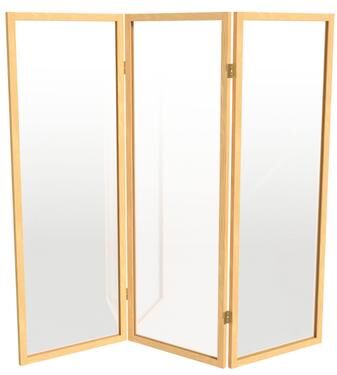
ARCILLA ELEMENTAL White Wood Hinged Foldable Arched Partition 3 Panel Partition Room Divider Screen with Window Pane DetailsIdeal for country cottage, minimalist, and farmhouse themed home interiors, this white privacy screen can effortlessly enhance any living space.193,59 $*Shipping: 0,00 $Secure redirect to the provider
-
Inspire Picks Multi Functional Entryway Storage Rack Doorway Organizer With Hooks And Partition Boards w Tissue Partition MBring order and style to your home with this versatile entryway storage rack designed to maximize space and simplify daily routines. Perfect for entryways, doorways, or hallways, it offers flexible storage with a wide selection of hooks and...34,93 $*Shipping: 0,00 $Secure redirect to the provider
-
Of Wheels Deals Tesla Model Frunk Storage Organizer Front Trunk Partition Tesla Model Frunk Storage Organizer Front Trunk PartitionKeep your Teslas front trunk neat, organized, and ready for every journey with a smart storage upgrade designed for modern drivers. This Tesla Model Y trunk organizer is made to create separate compartments in the front trunk, helping you store...89,97 $*Shipping: 0,00 $Secure redirect to the provider


-
How do you identify the correct partition during Linux installation?
During Linux installation, you can identify the correct partition by checking the size and type of each partition listed. Typically, the partition you want to install Linux on will be the largest partition with the correct file system type (usually ext4 for Linux). You can also look at the partition labels or mount points to determine which partition is the correct one for installation. It's important to double-check and verify the partition you select before proceeding with the installation to avoid any data loss. **
-
Is the partition for the Windows 10 installation too small?
The adequacy of the partition size for a Windows 10 installation depends on the specific needs and usage of the system. Generally, the recommended minimum partition size for Windows 10 is 20 GB, but this may not be sufficient for users who plan to install a large number of applications, store a lot of files, or use the system for gaming or other resource-intensive tasks. It's important to consider the future needs of the system and allocate enough space to accommodate potential growth in usage. Additionally, it's advisable to leave some free space on the partition to ensure smooth operation of the system. **
-
How can I create a partition in the Arch Linux installation?
To create a partition during the Arch Linux installation, you can use a tool like `fdisk` or `cfdisk` to partition your disk. First, you need to identify the disk you want to partition using the `lsblk` command. Then, you can use `fdisk /dev/sdX` (replace `sdX` with your disk identifier) to create partitions. Follow the prompts to create a new partition, set its type, and save your changes. Finally, format the partition using a filesystem like ext4 with the `mkfs.ext4` command. **
-
How can I create a partition during the Arch Linux installation?
During the Arch Linux installation process, you can create a partition by using a tool like `cfdisk` or `fdisk` to partition your disk. First, you need to identify the disk you want to partition using the `lsblk` command. Then, you can use `cfdisk /dev/sdX` (replace `sdX` with your disk identifier) to create partitions. Once you have created the partitions, you can format them using `mkfs` command and mount them to specific directories before proceeding with the installation. **


How do I find the installation location of the Ubuntu partition?
To find the installation location of the Ubuntu partition, you can open the terminal and use the `lsblk` command to list all block devices. Look for the device that has the filesystem type of 'ext4' or 'ext3', which are commonly used for Ubuntu installations. The installation location will typically be under the `/` directory on that device. You can also use the `df -h` command to display disk space usage and identify the partition where Ubuntu is installed. **
How can one convert a logical partition into an extended or primary partition?
To convert a logical partition into an extended or primary partition, you will need to use a partition management tool such as Disk Management in Windows or GParted in Linux. First, you should back up any important data on the partition. Then, delete the logical partition to free up the space. Finally, you can create a new extended or primary partition using the unallocated space that was previously occupied by the logical partition. Remember to be cautious when making these changes, as they can result in data loss if not done correctly. **
Top-Angebote
Products related to Partition:
-
EaseUS Partition Master 18.0 ProfessionalEaseUS Partition Master 18.0 Professional is a powerful and versatile tool for partition management on Windows systems. Designed for home and professional users, this software offers a range of advanced features to optimise hard disk usage and improve system performance. Key Features Complete Partition Management: Create, resize, move, merge, delete and hide partitions with ease. EaseUS Partition Master allows you to manage partitions without data loss, ensuring a smooth and secure experience. Disk Cloning: Clone entire disks or individual partitions to easily transfer data from one drive to another. This function is especially useful when upgrading to new hard disks or SSDs. Partition Recovery: Recovers partitions lost or damaged as a result of accidental deletions, Windows upgrades or virus attacks. The recovery function is quick and easy, allowing data to be restored in just a few clicks. Performance Optimisation: Supports 4K alignment of SSD partitions to improve read and write performance, ensuring your system performs at its best. Advanced Conversion: Convert disks and partitions between MBR and GPT without formatting, making it easy to upgrade to Windows 11 and manage large disks. File System Check and Repair: Quickly checks the file system for errors and bad sectors, restoring disk functionality efficiently. Bootable Media Creation: Create WinPE bootable media to solve system boot problems or perform partition management tasks without booting Windows. Intuitive Interface: The user interface is designed to be simple and intuitive, making access to all features easy even for novice users. Why Choose EaseUS Partition Master 18.0 Professional? EaseUS Partition Master 18.0 Professional stands out for its combination of advanced functionality and ease of use. It is an ideal solution for anyone who wants to manage their disks effectively, whether they are home users or IT professionals. Competitively priced and with free updates for life, it is an excellent investment for optimising data management. Choose EaseUS Partition Master 18.0 Professional for stress-free partition management and to ensure that your system is always running at peak capacity. Don't let disk management become a hassle; trust EaseUS for a complete and reliable solution.29,90 £*Shipping: 0,00 £Secure redirect to the provider
-
Multicon Wholesale Hub Premium Engine Upper Compartment Partition Panel Premium Engine Upper Compartment Partition PanelTransform your BMWs engine bay with upgraded organization, protection, and longlasting durability. This highquality engine upper compartment partition panel set is designed specifically for owners of BMW X5 E70 and X6 E71 models who want a direct...99,97 $*Shipping: 0,00 $Secure redirect to the provider
-
ARCILLA ELEMENTAL White Wood Hinged Foldable Arched Partition 3 Panel Partition Room Divider Screen with Window Pane DetailsIdeal for country cottage, minimalist, and farmhouse themed home interiors, this white privacy screen can effortlessly enhance any living space.193,59 $*Shipping: 0,00 $Secure redirect to the provider
-
Inspire Picks Multi Functional Entryway Storage Rack Doorway Organizer With Hooks And Partition Boards w Tissue Partition MBring order and style to your home with this versatile entryway storage rack designed to maximize space and simplify daily routines. Perfect for entryways, doorways, or hallways, it offers flexible storage with a wide selection of hooks and...34,93 $*Shipping: 0,00 $Secure redirect to the provider
-
How to partition a Linux installation correctly?
To partition a Linux installation correctly, you should first decide on the partition scheme that best fits your needs. Typically, this includes creating separate partitions for the root directory, /home directory, and swap space. The root directory should have enough space for the operating system and essential programs, while the /home directory should have space for user files and data. Additionally, it's important to consider the size of the swap space, which is used as virtual memory. Finally, make sure to carefully plan and allocate the appropriate sizes for each partition to ensure efficient use of disk space and optimal system performance. **
-
How do you recognize the correct partition during Linux installation?
During Linux installation, you can recognize the correct partition by looking at the size of the partition, the file system type (such as ext4 or swap), and the mount point (such as / for root partition or /home for home partition). You can also verify the partition by checking the partition label or UUID. It is important to double-check the partition details before proceeding with the installation to ensure that you are selecting the correct partition to avoid data loss. **
-
How do you identify the correct partition during Linux installation?
During Linux installation, you can identify the correct partition by checking the size and type of each partition listed. Typically, the partition you want to install Linux on will be the largest partition with the correct file system type (usually ext4 for Linux). You can also look at the partition labels or mount points to determine which partition is the correct one for installation. It's important to double-check and verify the partition you select before proceeding with the installation to avoid any data loss. **
-
Is the partition for the Windows 10 installation too small?
The adequacy of the partition size for a Windows 10 installation depends on the specific needs and usage of the system. Generally, the recommended minimum partition size for Windows 10 is 20 GB, but this may not be sufficient for users who plan to install a large number of applications, store a lot of files, or use the system for gaming or other resource-intensive tasks. It's important to consider the future needs of the system and allocate enough space to accommodate potential growth in usage. Additionally, it's advisable to leave some free space on the partition to ensure smooth operation of the system. **
Similar search terms for Partition
-
Of Wheels Deals Tesla Model Frunk Storage Organizer Front Trunk Partition Tesla Model Frunk Storage Organizer Front Trunk PartitionKeep your Teslas front trunk neat, organized, and ready for every journey with a smart storage upgrade designed for modern drivers. This Tesla Model Y trunk organizer is made to create separate compartments in the front trunk, helping you store...89,97 $*Shipping: 0,00 $Secure redirect to the provider
-
Inspire Picks Multi Functional Entryway Storage Rack Doorway Organizer With Hooks And Partition Boards w Tissue Partition LBring order and style to your home with this versatile entryway storage rack designed to maximize space and simplify daily routines. Perfect for entryways, doorways, or hallways, it offers flexible storage with a wide selection of hooks and...34,93 $*Shipping: 0,00 $Secure redirect to the provider
-
How can I create a partition in the Arch Linux installation?
To create a partition during the Arch Linux installation, you can use a tool like `fdisk` or `cfdisk` to partition your disk. First, you need to identify the disk you want to partition using the `lsblk` command. Then, you can use `fdisk /dev/sdX` (replace `sdX` with your disk identifier) to create partitions. Follow the prompts to create a new partition, set its type, and save your changes. Finally, format the partition using a filesystem like ext4 with the `mkfs.ext4` command. **
-
How can I create a partition during the Arch Linux installation?
During the Arch Linux installation process, you can create a partition by using a tool like `cfdisk` or `fdisk` to partition your disk. First, you need to identify the disk you want to partition using the `lsblk` command. Then, you can use `cfdisk /dev/sdX` (replace `sdX` with your disk identifier) to create partitions. Once you have created the partitions, you can format them using `mkfs` command and mount them to specific directories before proceeding with the installation. **
-
How do I find the installation location of the Ubuntu partition?
To find the installation location of the Ubuntu partition, you can open the terminal and use the `lsblk` command to list all block devices. Look for the device that has the filesystem type of 'ext4' or 'ext3', which are commonly used for Ubuntu installations. The installation location will typically be under the `/` directory on that device. You can also use the `df -h` command to display disk space usage and identify the partition where Ubuntu is installed. **
-
How can one convert a logical partition into an extended or primary partition?
To convert a logical partition into an extended or primary partition, you will need to use a partition management tool such as Disk Management in Windows or GParted in Linux. First, you should back up any important data on the partition. Then, delete the logical partition to free up the space. Finally, you can create a new extended or primary partition using the unallocated space that was previously occupied by the logical partition. Remember to be cautious when making these changes, as they can result in data loss if not done correctly. **
* All prices are inclusive of VAT and, if applicable, plus shipping costs. The offer information is based on the details provided by the respective shop and is updated through automated processes. Real-time updates do not occur, so deviations can occur in individual cases. ** Note: Parts of this content were created by AI.