Buy autoplin.eu ?
We are moving the project
autoplin.eu .
Are you interested in purchasing the domain
autoplin.eu ?
domain@kv-gmbh.de · 0541-91531010
Buy autoplin.eu ?
What is battery acid?
Battery acid is a sulfuric acid solution used in lead-acid batteries to generate electricity. It is a highly corrosive and toxic substance that can cause severe burns if it comes into contact with skin or eyes. Battery acid is typically found in car batteries, industrial batteries, and other types of lead-acid batteries. It is important to handle battery acid with extreme caution and use proper safety equipment when working with it. **
Have you swallowed battery acid?
No, I have not swallowed battery acid. Swallowing battery acid can be extremely dangerous and can cause serious harm to the body. It is important to seek immediate medical attention if someone has swallowed battery acid. **
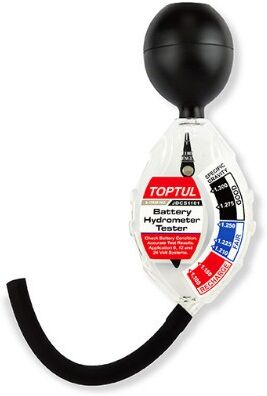

Similar search terms for TOPTUL-JDCS1101-Battery-Acid
Top-Angebote
Products related to TOPTUL-JDCS1101-Battery-Acid:
-
Smart Shopping Spot Automotive Repair Tools Accessories, Auto Battery Hydrometer, Density Tester Acid Tool Automotive Repair Tools Accessories, Auto Battery Hydrometer, Density Tester Acid ToolAccurate and Reliable Auto Battery Health Check The Auto Battery Hydrometer is a musthave tool for car owners and automotive professionals alike. This precision density tester is designed to help you check the electrolyte levels in your car's...29,97 $*Shipping: 0,00 $Secure redirect to the provider
-
Inspire Picks Handheld Antifreeze Refractometer Coolant & Battery Acid ATC Tester without BoxCheck automotive fluids conveniently with this antifreeze refractometer designed for coolant and battery acid testing. Its stated 50C to 0C antifreeze scale helps evaluate the freezing point of compatible coolant samples. The tool also supports...35,63 $*Shipping: 0,00 $Secure redirect to the provider


-
Can battery acid etch plastic?
Yes, battery acid can etch plastic. Battery acid is typically sulfuric acid, which is a highly corrosive substance that can react with and degrade many materials, including plastic. When in contact with plastic, battery acid can cause the plastic to become discolored, deformed, or even dissolve over time. It is important to handle battery acid with care and avoid contact with plastic materials to prevent damage. **
-
How dangerous is battery acid?
Battery acid, which is typically sulfuric acid, is highly corrosive and can cause severe burns if it comes into contact with skin. Inhaling the fumes of battery acid can also be harmful to the respiratory system. If ingested, battery acid can cause internal burns and damage to the digestive system. Therefore, it is important to handle battery acid with extreme caution and use appropriate safety measures to prevent accidents. **
-
How is battery acid dried?
Battery acid, which is typically sulfuric acid, can be dried by heating it to evaporate the water content. This can be done by gently heating the acid in a controlled environment to avoid any splattering or boiling over. Once the water has evaporated, the remaining sulfuric acid will be in a more concentrated form. It is important to handle battery acid with caution and use proper safety equipment when drying it. **
-
What are the differences between formic acid and battery acid?
Formic acid is a naturally occurring organic acid found in various plants and insects, while battery acid is a sulfuric acid solution used in lead-acid batteries. Formic acid is a weaker acid compared to battery acid, which is highly corrosive and can cause severe burns upon contact with skin. Additionally, formic acid has a pungent odor, while battery acid is odorless. **

How toxic is battery acid actually?
Battery acid, which is typically sulfuric acid, is highly corrosive and can cause severe burns if it comes into contact with skin. Ingesting battery acid can also be extremely dangerous and potentially fatal. It is important to handle battery acid with caution and use appropriate safety measures to prevent accidental exposure. **
How can one obtain battery acid?
Battery acid, also known as sulfuric acid, is a highly corrosive substance that should be handled with extreme caution. It can be obtained from automotive supply stores, hardware stores, or online retailers. It is typically sold in diluted form for safety reasons, but can be concentrated by carefully following proper handling and dilution procedures. It is important to always wear protective gear such as gloves and goggles when handling battery acid. **
Top-Angebote
Products related to TOPTUL-JDCS1101-Battery-Acid:
-
What is battery acid?
Battery acid is a sulfuric acid solution used in lead-acid batteries to generate electricity. It is a highly corrosive and toxic substance that can cause severe burns if it comes into contact with skin or eyes. Battery acid is typically found in car batteries, industrial batteries, and other types of lead-acid batteries. It is important to handle battery acid with extreme caution and use proper safety equipment when working with it. **
-
Have you swallowed battery acid?
No, I have not swallowed battery acid. Swallowing battery acid can be extremely dangerous and can cause serious harm to the body. It is important to seek immediate medical attention if someone has swallowed battery acid. **
-
Can battery acid etch plastic?
Yes, battery acid can etch plastic. Battery acid is typically sulfuric acid, which is a highly corrosive substance that can react with and degrade many materials, including plastic. When in contact with plastic, battery acid can cause the plastic to become discolored, deformed, or even dissolve over time. It is important to handle battery acid with care and avoid contact with plastic materials to prevent damage. **
-
How dangerous is battery acid?
Battery acid, which is typically sulfuric acid, is highly corrosive and can cause severe burns if it comes into contact with skin. Inhaling the fumes of battery acid can also be harmful to the respiratory system. If ingested, battery acid can cause internal burns and damage to the digestive system. Therefore, it is important to handle battery acid with extreme caution and use appropriate safety measures to prevent accidents. **
Similar search terms for TOPTUL-JDCS1101-Battery-Acid
-
Smart Shopping Spot Automotive Repair Tools Accessories, Auto Battery Hydrometer, Density Tester Acid Tool Automotive Repair Tools Accessories, Auto Battery Hydrometer, Density Tester Acid ToolAccurate and Reliable Auto Battery Health Check The Auto Battery Hydrometer is a musthave tool for car owners and automotive professionals alike. This precision density tester is designed to help you check the electrolyte levels in your car's...29,97 $*Shipping: 0,00 $Secure redirect to the provider
-
Inspire Picks Handheld Antifreeze Refractometer Coolant & Battery Acid ATC Tester without BoxCheck automotive fluids conveniently with this antifreeze refractometer designed for coolant and battery acid testing. Its stated 50C to 0C antifreeze scale helps evaluate the freezing point of compatible coolant samples. The tool also supports...35,63 $*Shipping: 0,00 $Secure redirect to the provider
-
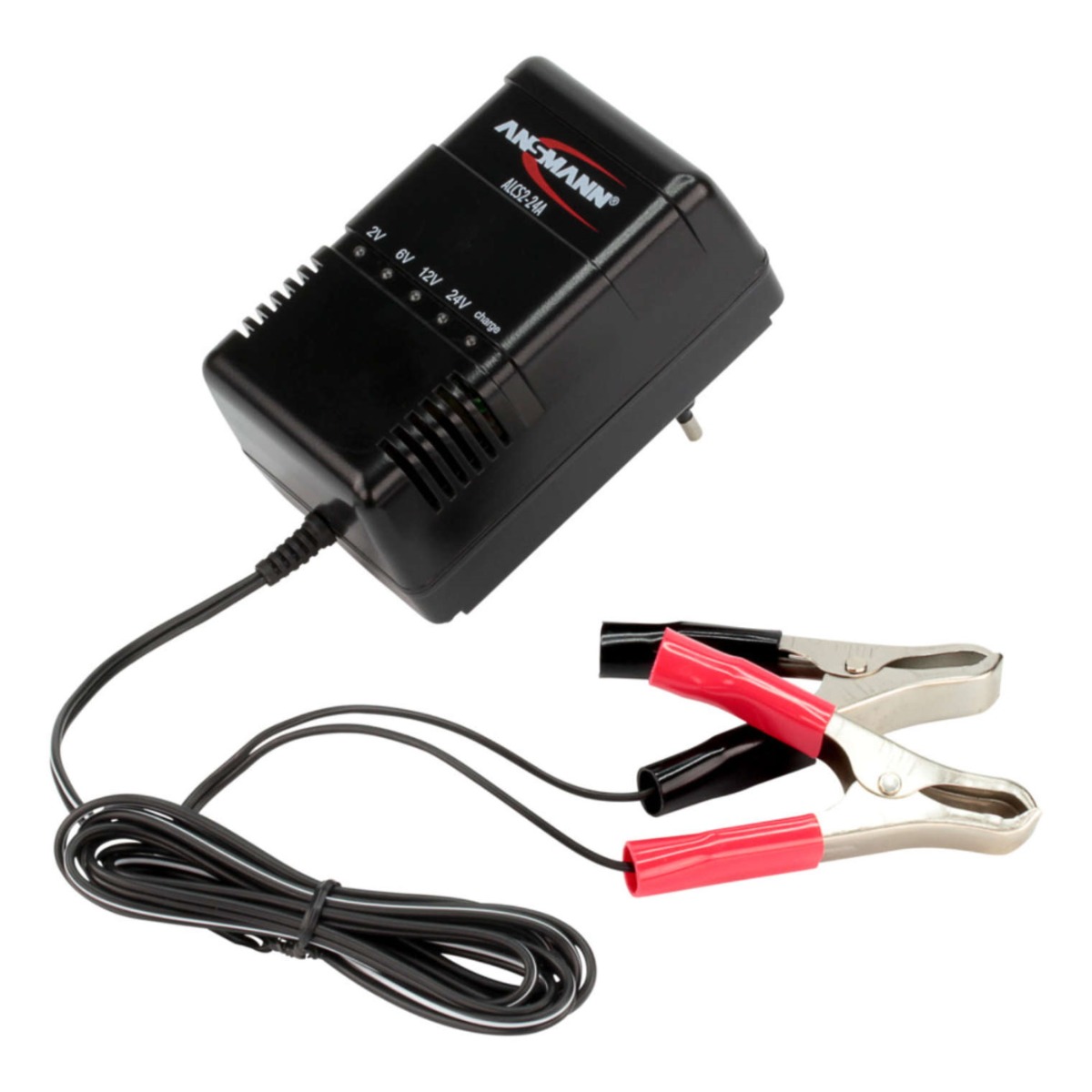
Ansmann ALCS2-24A Battery Charger for Lead Acid Batteries 2V 6V 12V 24V UKThe UK version of the Ansmann ALCS2-24A battery charger is designed for use with Sealed Lead Acid (SLA) batteries and maintenance free lead acid batteries. The ALCS2-24A battery charger is fully automatic, it has an automatic voltage detection system. It is suitable for charging 2-Volt, 6-Volt, 12-Volt and 24-Volt batteries with capacities of between 2Ah and 24Ah. It has short circuit and reverse connection protection. This is the UK version with a 3-Pin UK mains plug. Complete with crocadile clips. For charging all types of sealed lead acide batteries 2v 6v 12v or 24v Automatic adjustment to the correct voltage of the battery connected Protection against overload and short circuit bt current limitation. Protection against reverse polarity. Suitable for float charging Trickle charge 20mA Charging Currents :- 2V at 900mA (Cut off at 2.3V) 6V at 700mA (Cut off at 6.9V) 12V at 600mA (Cut off at 13.8V) 24V at 300mA (Cut off at 27.6V)18,95 £*Shipping: 3,25 £Secure redirect to the provider
-
Uplift Picks AutoCheck Automotive Antifreeze Refractometer And Battery Acid Tester With ATC with BoxProtect your vehicle by checking essential fluids before extreme weather or costly problems strike. AutoCheck is a handheld coolant tester that measures the freezing point of ethylene and propylene glycol from 50C to 0C. It also works as a specific...90,00 $*Shipping: 0,00 $Secure redirect to the provider
-
How is battery acid dried?
Battery acid, which is typically sulfuric acid, can be dried by heating it to evaporate the water content. This can be done by gently heating the acid in a controlled environment to avoid any splattering or boiling over. Once the water has evaporated, the remaining sulfuric acid will be in a more concentrated form. It is important to handle battery acid with caution and use proper safety equipment when drying it. **
-
What are the differences between formic acid and battery acid?
Formic acid is a naturally occurring organic acid found in various plants and insects, while battery acid is a sulfuric acid solution used in lead-acid batteries. Formic acid is a weaker acid compared to battery acid, which is highly corrosive and can cause severe burns upon contact with skin. Additionally, formic acid has a pungent odor, while battery acid is odorless. **
-
How toxic is battery acid actually?
Battery acid, which is typically sulfuric acid, is highly corrosive and can cause severe burns if it comes into contact with skin. Ingesting battery acid can also be extremely dangerous and potentially fatal. It is important to handle battery acid with caution and use appropriate safety measures to prevent accidental exposure. **
-
How can one obtain battery acid?
Battery acid, also known as sulfuric acid, is a highly corrosive substance that should be handled with extreme caution. It can be obtained from automotive supply stores, hardware stores, or online retailers. It is typically sold in diluted form for safety reasons, but can be concentrated by carefully following proper handling and dilution procedures. It is important to always wear protective gear such as gloves and goggles when handling battery acid. **
* All prices are inclusive of VAT and, if applicable, plus shipping costs. The offer information is based on the details provided by the respective shop and is updated through automated processes. Real-time updates do not occur, so deviations can occur in individual cases. ** Note: Parts of this content were created by AI.